Our Impact Study: Transforming Access in Rural Communities
As Lafiya now reaches 30,000 women each month with family planning, we want to be certain that our model delivers real, measurable impact. That’s why we set out to evaluate whether our work is truly making a difference.
To do this, a third-party research team, including Sophie Gulliver, Dr. Bello, and Emma White, conducted a rigorous study comparing areas where our program is active to similar rural communities where we are not present. They surveyed 526 women to assess the counterfactual impact of our approach.
Thanks to their work, along with the dedication of our program team in Sokoto - Habibat Salau, Nasiru Fakai, and our incredible Lafiya Sisters - we are proud to share the results of the first eight months. As a learning organisation, we are committed to scaling only models backed by strong evidence, and this evaluation is a key step in that journey.
Key Outcomes of the Research
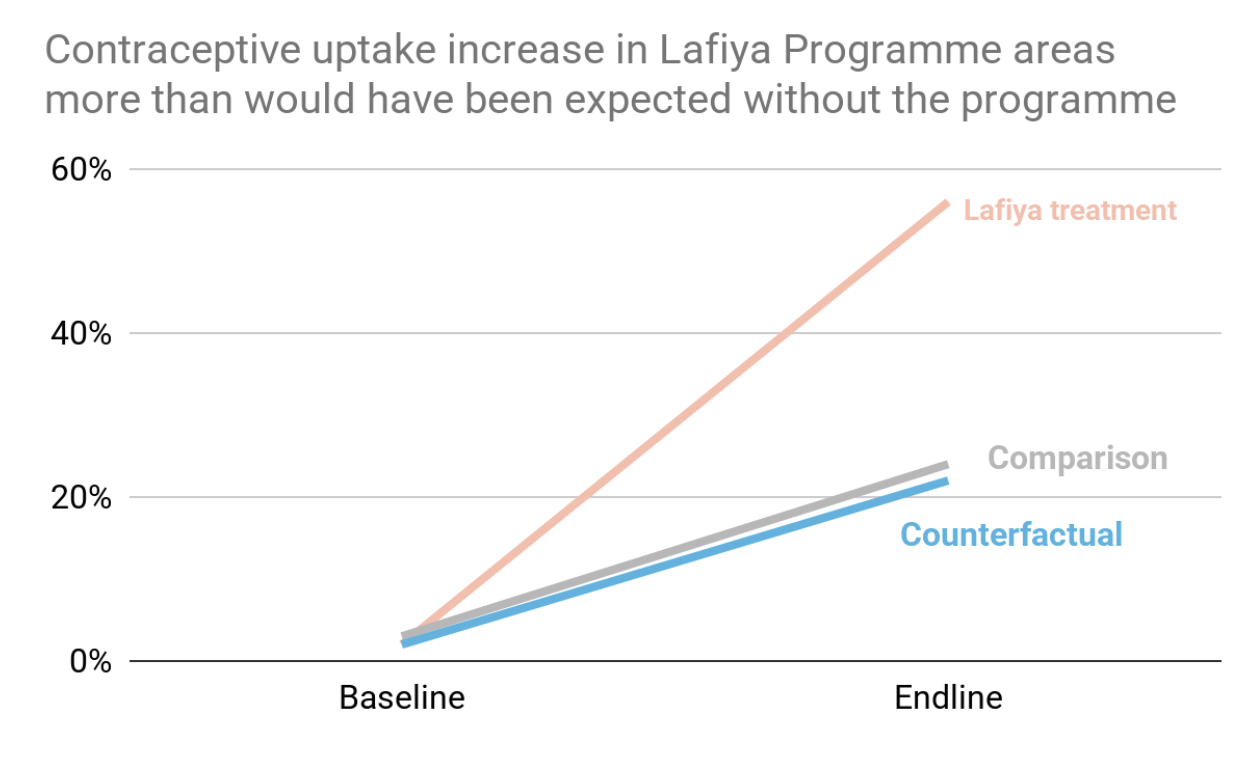
📌 Contraceptive uptake soared—from 2% to 56% in Lafiya-supported areas, compared to a rise from 3% to 22% in comparison areas in just 8 months. This points to the substantial counterfactual impact of our programme – that is, even accounting for what would have happened had Lafiya not been present in the communities, around 10x as many women opted for contraception compared to due to our program.
📌 77% of Sayana Press users opted for self-injection, showing strong potential for long-term contraceptive consistency.This truly substantiates the basis of our model being agency-first, and makes us encouraged that women would be able to continuously uptake contraception if they wished to.
📌 Unintended pregnancies dropped dramatically—only 6% of women in Lafiya areas became pregnant, compared to 30% in comparison regions. This was surprising as unintended pregnancies were not a main metric we evaluated, as usually the effects of spaced births take much longer to show.
📌 Quality counseling matters—women in Lafiya areas received better, more personalised contraceptive guidance, improving satisfaction and decision-making. This is why Lafiya SIsters are called Lafiya Sisters - they understand their communities deeply and are able to go beyond the role of just being a healthcare provider.
Above all, these numbers represent more than statistics—they reflect empowered women, healthier families, and stronger communities.
Listen to the perspective of our users:
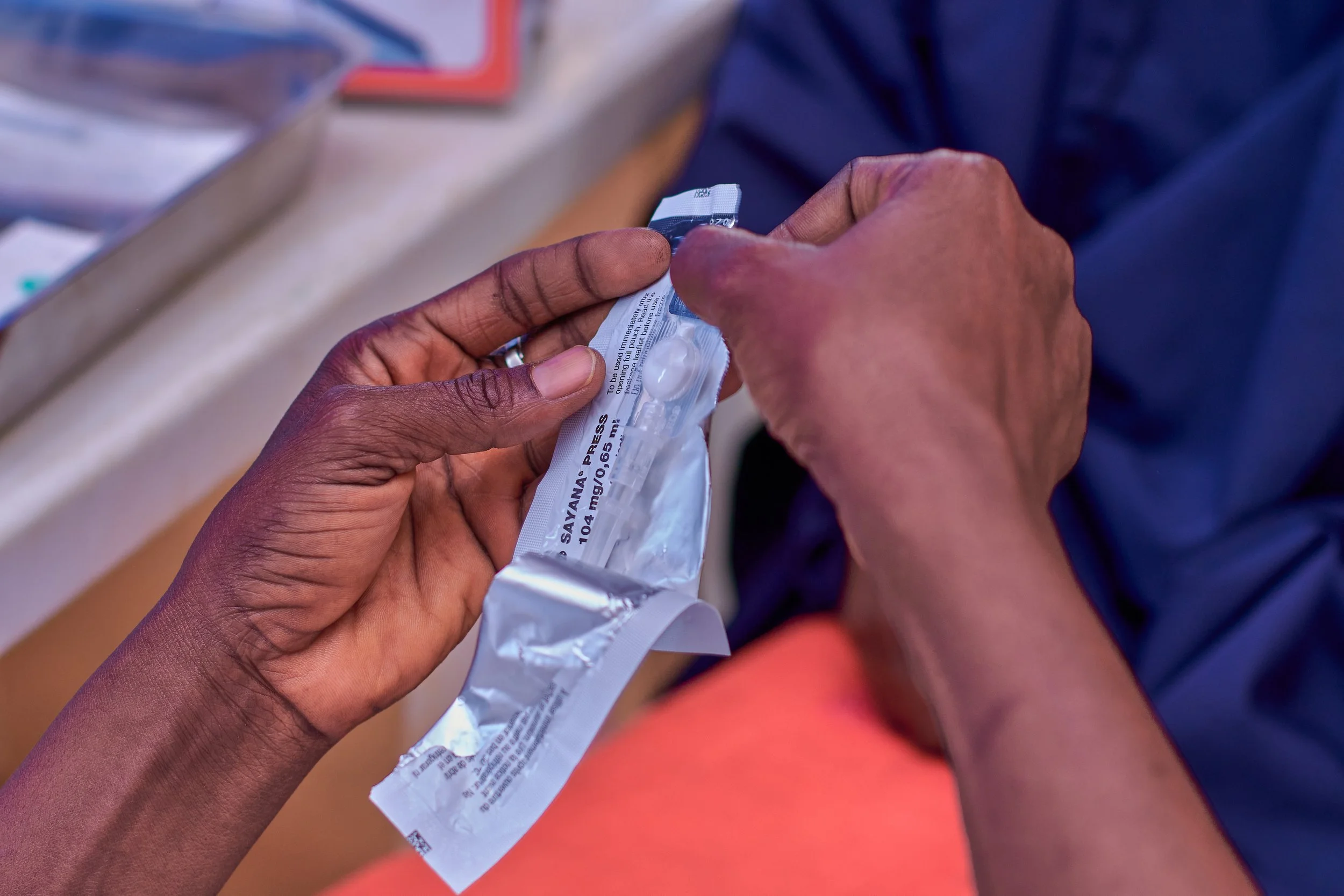
A Sayana Press injection
📢 “I had gone to my health facility for family planning services, but they were stocked out of supplies, and the pharmacist wasn’t around, so I left feeling really sad. On my way out, I ran into Tabitha [Lafiya Sister] , who told me about Sayana Press. I was so happy to learn I could self-inject, I got it that same day and have been telling other women about it ever since.” — Aisha, from Wamakko
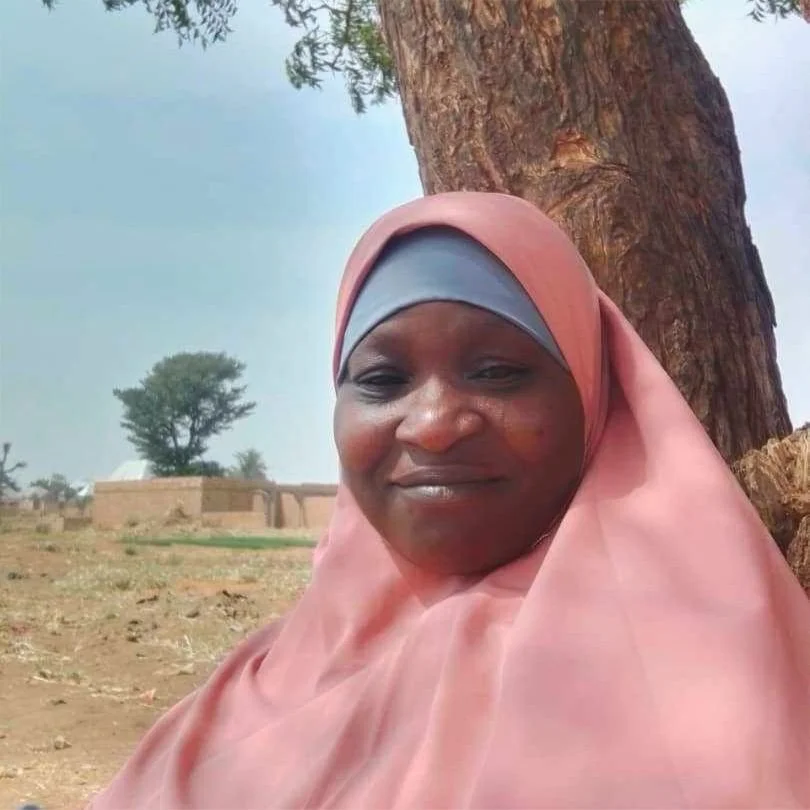
Asmau, Lafiya Sister in Sokoto state
📢 “Lafiya is a life changer. Some women in the community even call me ‘aunty Sayana’, because I am reaching so many new people with family planning.” — Asmau, Lafiya Sister
What’s Next?
📊Scaling Our Programmes: We will continue to grow our program, and integrate these research findings to support women to self-inject and take home three doses of Sayana Press for improved contraceptive consistency.
🏛 Policy Advocacy: We will be working with state and federal ministries of health to integrate our findings into state and national family planning strategies. In just this month alone, Lafiya is represented at two national-level policy workshops, where we will share our best practices.
📈 Long-Term Research: Later this year we will be running another evaluation to see if users who started contraception during the study are continuing with it. We also want to take a closer look at how uptake affects pregnancy rates, especially in delaying or preventing short-interval births.
If you are interested in the full methodology, data collection, and discussion of the study, please read the full study findings in the attached report.
A big thank you to our partners, Lafiya Sisters, and the researchers who made these findings possible. We are so proud to be advancing access to reproductive health with you.